
Elevating UX as a Strategic Driver Across the Organization
Overview
At symplr, UX had strong individual contributors—but limited influence at the organizational level. I led an initiative to reposition design from a supporting function to a strategic partner, embedding UX into decision-making, product development, and business strategy.
Role: UX Design Leader
Scope: UX across product, research, and cross-functional teams
Goal: Increase the strategic impact of UX across symplr
The Situation
UX existed, but it wasn’t fully leveraged.
Designers were involved late in the process
Collaboration across product, engineering, and design was inconsistent
UX was often seen as execution-focused, not strategic
Teams weren’t fully utilizing research or design systems
As a result:
Product decisions weren’t always grounded in user needs
Opportunities for better outcomes were missed
Design’s impact was constrained
The Problem
The core issue wasn’t capability—it was perception and integration.
1. UX Was Not Embedded in Decision-Making
Design was brought in too late to influence direction.
2. Limited Cross-Functional Alignment
Teams worked in parallel rather than collaboratively.
3. Underutilized Design Capabilities
Research, systems, and design thinking weren’t fully leveraged.
4. Lack of Organizational Awareness
Stakeholders didn’t fully understand how UX contributed to business outcomes.
Strategy
I focused on one core shift:
Move UX from a reactive service to a proactive, strategic partner.
This required:
Increasing visibility of UX work
Embedding design earlier in product decisions
Demonstrating clear business impact
Move UX from a reactive service to a proactive, strategic partner.
Key Decisions
1. Increase UX Visibility Across the Organization
My team and I led and hosted evangelization events to showcase:
Design thinking
Research insights
Product impact
Why: People can’t value what they don’t see
2. Embed UX Earlier in Product Strategy
I worked to involve design in planning and roadmap discussions.
Why: Early involvement prevents misalignment and rework
3. Position Design as a Business Driver
We reframed UX conversations around:
Customer outcomes
Product success metrics
Business impact
Why: Alignment with business goals increases influence
4. Strengthen Cross-Functional Collaboration
I encouraged tighter integration between:
Design
Product
Engineering
Leadership
Why: Better collaboration leads to better decisions
How I Led the Work
Organized and led UX evangelization initiatives
Advocated for design in strategic conversations
Created opportunities for cross-team engagement
Reinforced the value of research and user-centered thinking
Built alignment between UX efforts and business priorities
Outcomes
The impact was both cultural and measurable:
Stronger Collaboration
UX became embedded within cross-functional teams, leading to more aligned product strategies.
User-Centered Culture Shift
Teams began prioritizing user needs throughout the product lifecycle, improving overall experience quality.
Increased Investment in Design
Recognition of UX value led to greater support for design initiatives.
Improved Business Outcomes
Products better met user expectations, driving:
Higher engagement
Improved retention
Revenue growth
Greater Organizational Influence
Design became a trusted voice in decision-making across leadership and teams.
Faster, More Effective Decision-Making
Early UX involvement reduced rework and improved roadmap alignment.
What This Enabled
UX as a core part of product strategy, not just execution
Stronger alignment between user needs and business goals
A foundation for scalable, user-centered innovation
What This Demonstrates
Driving organizational change through influence
Elevating design from tactical to strategic
Aligning UX with business outcomes
Building cross-functional trust and collaboration
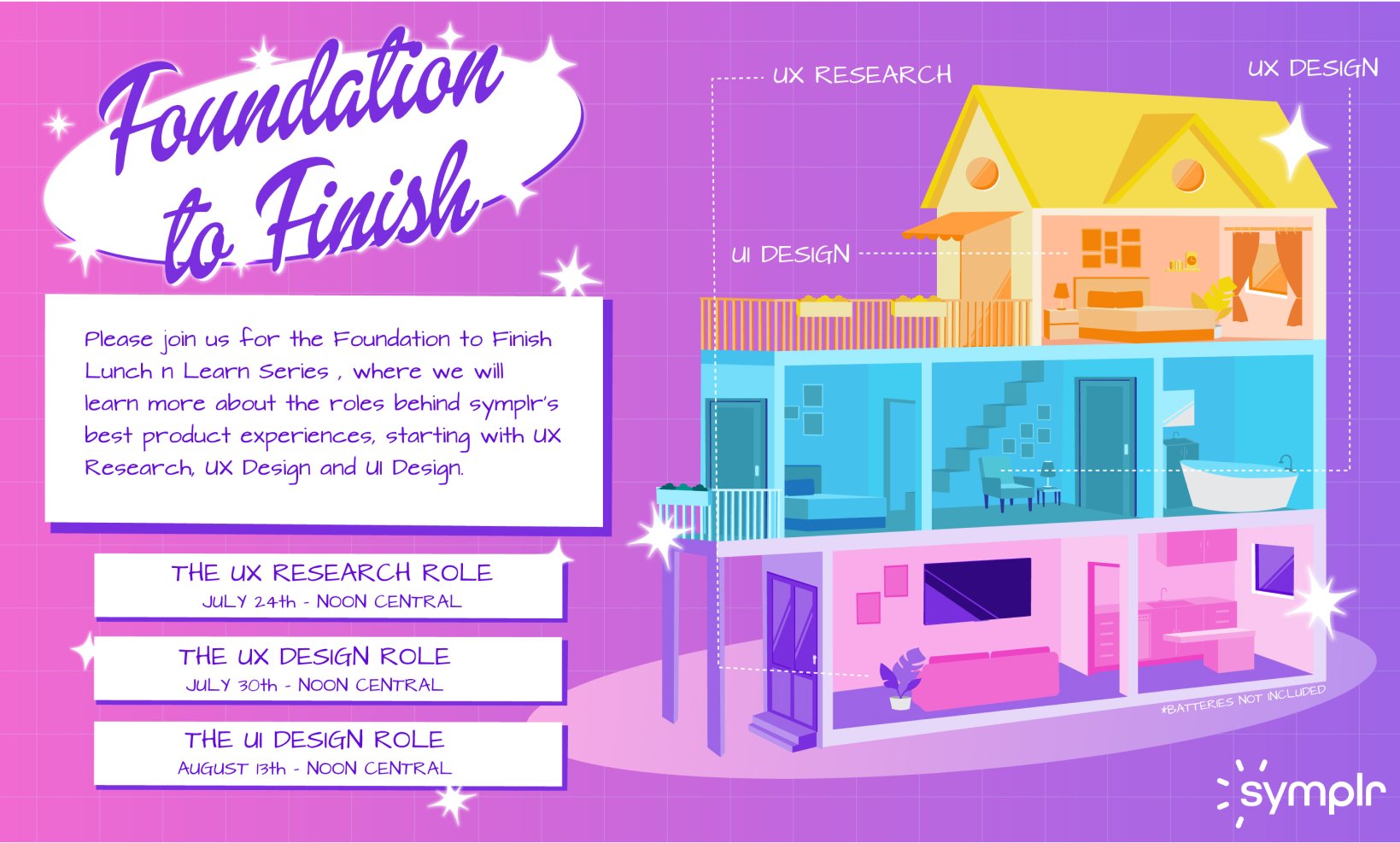
Foundation to Finish was a Lunch & Learn to educate the organization on the roles in UX and their value to the company and our customers.
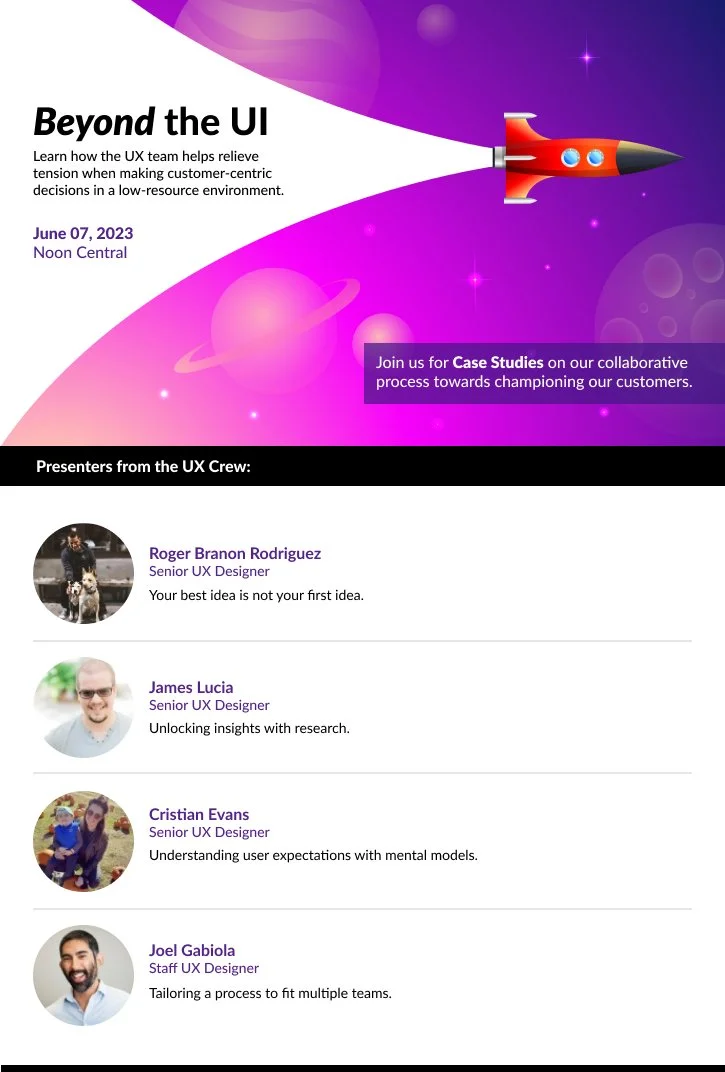
A Lunch & Learn for the organization where my designers shared case studies on how their work and toolkit relieves tension when making customer-centric decisions in a low-resource environment.

This webinar was to deepen Product and Design's understanding of AI frameworks, legal, and inclusivity considerations.
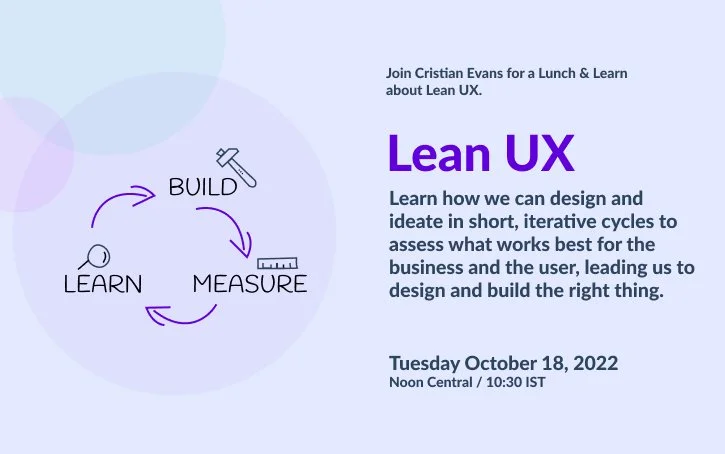
This Lunch & Learn was to educate the organization on our lean methodology to ensure we are designing and building the right thing.

This Lunch & Learn session highlighted the critical role of Information Architecture in aligning our products with customers' mental models and navigation expectations, ensuring a seamless and intuitive user experience.
This work wasn’t about promoting design—it was about proving its value.
By increasing visibility, embedding UX earlier, and aligning with business goals, I transformed how design was perceived and used across the organization—turning it into a strategic driver of product and business success.