Scaling UX from fragmented to strategic:
How I built the systems that helped the business win
At symplr, I built the systems and foundations that turned a fragmented, emergent design team into a cohesive, high-performing organization capable of delivering complex, quality work under aggressive timelines, and positioned as a strategic partner the business relied on to win.
Overview
Role: UX Design Leader
Team: 5 → 20 designers
Scope: UX across cloud migration and net-new product development
Context: Rapid scaling, high delivery pressure, low design maturity
Impact: Built a best-in-class UX organization with increased demand, stronger alignment, and measurable business influence and impact
Design was struggling to scale with the organization.
-
symplr was undergoing significant growth and transformation: migrating legacy products to the cloud, redesigning complex, hard-to-use modules, and delivering net-new functionality on tight timelines.
I inherited an eclectic product suite and an equally eclectic team, one that had grown from 5 to 20 designers in a short period, supporting hundreds of engineers under 3-month delivery cycles, without the systems in place to support that scale.
Workflows were inconsistent, priorities were unclear, there was no shared visibility into work across the team, and no shared understanding of UX's role in the business. Design, and the team itself, was struggling to scale with the organization.
-
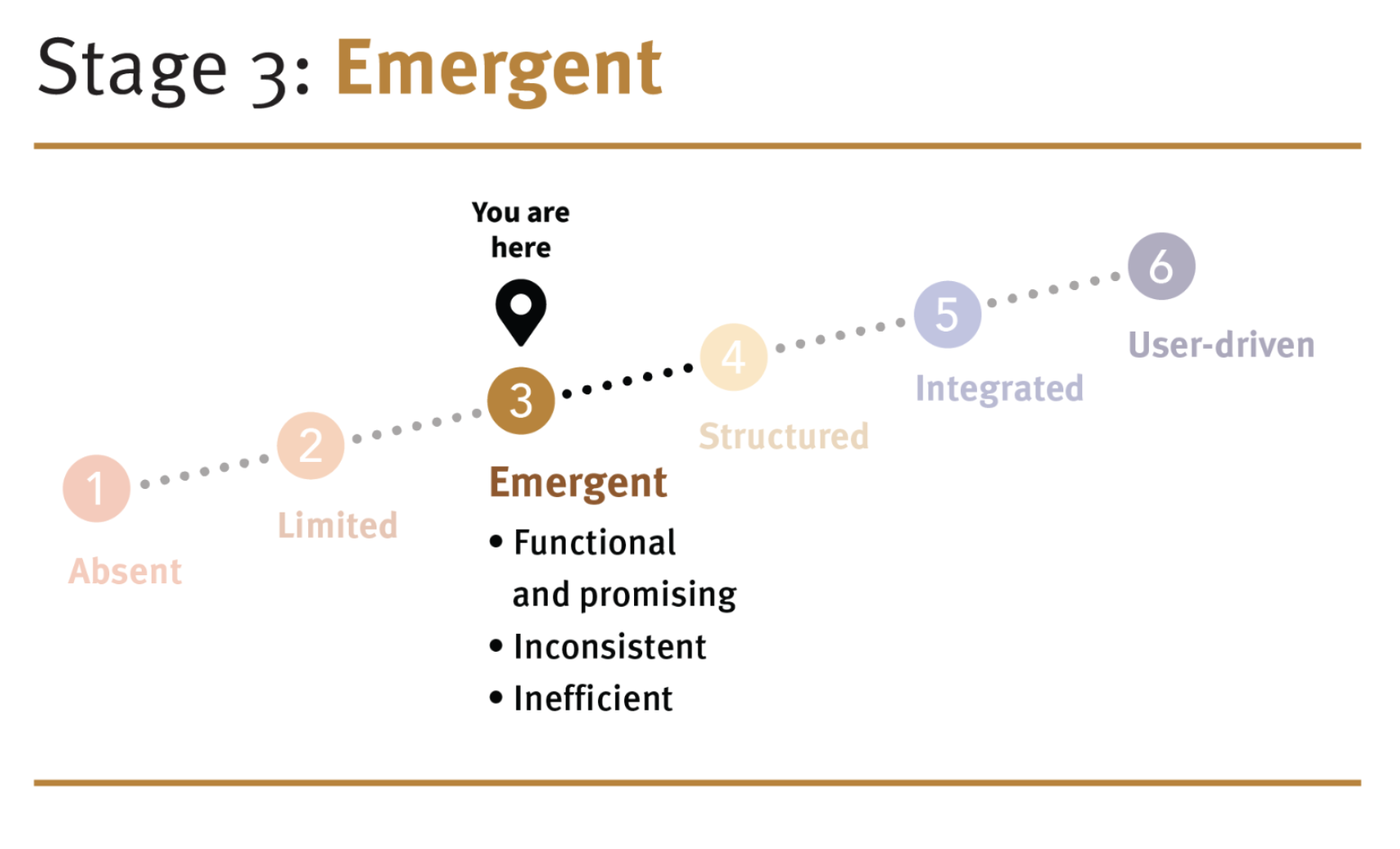
This wasn't just a growth challenge, it was a maturity gap across both product and people:
Fragmented team operations. Designers worked in silos with inconsistent processes and no shared standards.
Low design influence. UX wasn't consistently seen as a strategic partner to the business.
Inefficient use of resources. Designers were overloaded, misaligned, and often working on the wrong problems.
No feedback or growth systems. No critique culture, unclear expectations, limited paths for skill development.
Misaligned and uneven skillsets. No clear read on the team's capabilities relative to what the business actually needed.
Through assessment, I mapped the team's real skill distribution, some designers were true full-stack (UX, UI, research, strategy), some strong in UI but lacking UX depth, some strong in UX but lacking visual skills, some with research experience and others with none. That inconsistency was driving uneven output and making it hard to staff projects effectively against business priorities.
-
Rapid team growth had outpaced infrastructure. Delivery pressure was high across multiple large initiatives, the product ecosystem was wide and complex, and I had to scale people and process at the same time, without slowing delivery to the business. I needed to build the foundation for how the team worked while the team kept shipping. text goes here
I needed to transform how the team worked, without slowing down delivery.
Strategy
I focused on one core goal: build the systems, structure, and clarity that would move the team from emergent to integrated, and position design as a function the business could point to for real outcomes.
That meant maturing not just the product experience, but the team and its operating model. I translated that into four priorities: establish consistent systems and standards, align design work directly to business impact, build a culture of collaboration and accountability, and align team skillsets to current and future business needs.
Key decisions and the foundation I built
-
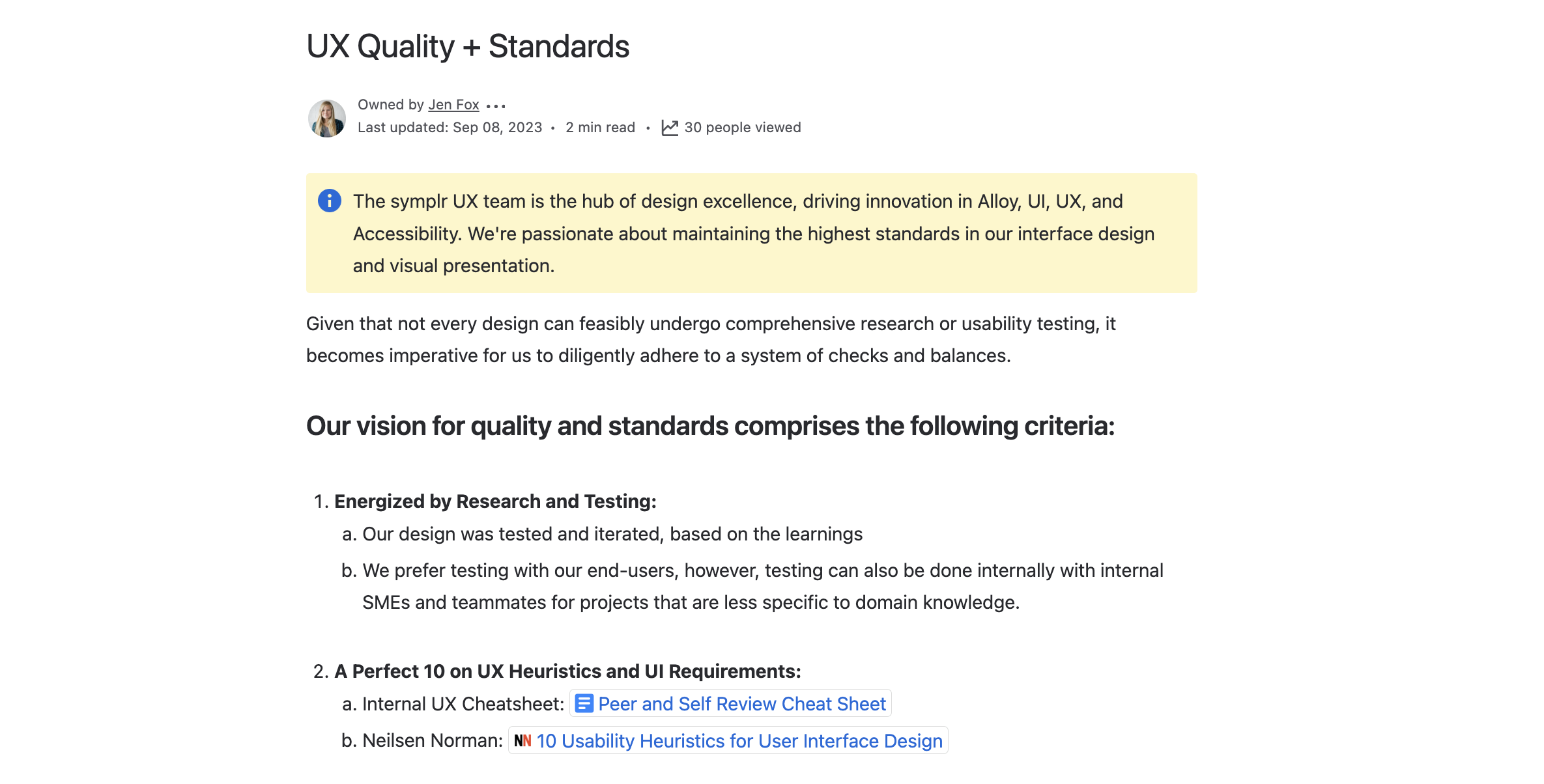
I redefined how design operated across the organization, introducing the structure, expectations, and shared practices the team lacked. This was the foundation everything else sat on: without consistency at scale, no amount of individual talent would translate into business impact. The tradeoff was real change management across a large, active team, and I judged it necessary.
-
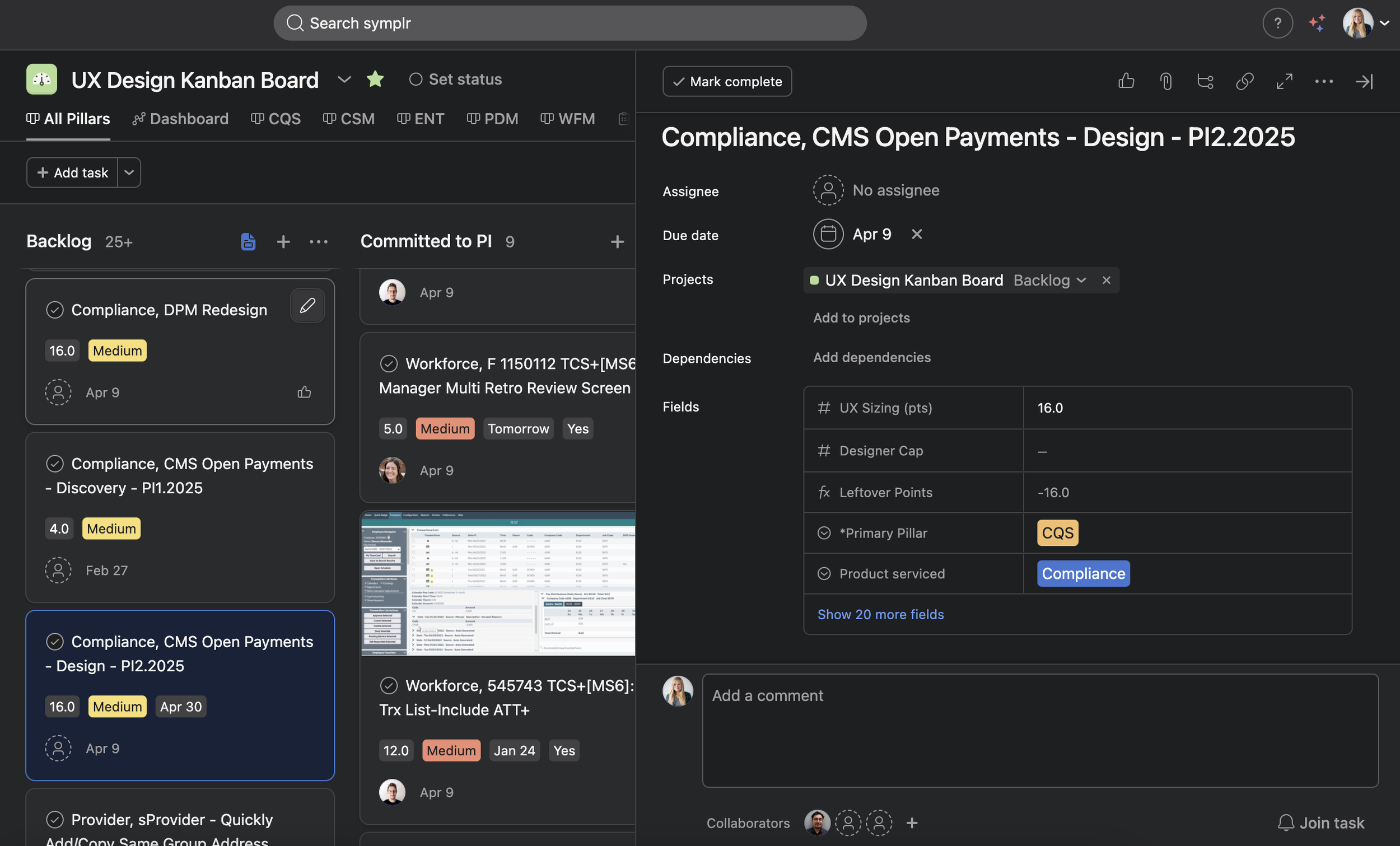
I introduced a system for placing designers on the highest-impact initiatives based on their strengths, rather than whoever was available. The team was busy, but not always effective; this system made sure their time converted into outcomes the business actually needed.
-
I evaluated the team against what the business would need to scale, then made the calls that followed: aligning designers to work that matched their strengths, identifying where certain designers weren't meeting the bar, making the difficult decision to part ways where needed, and rehiring for full-stack talent aligned to where the organization was headed. The business needed a higher baseline of capability to win in its next phase, and I built the team composition to match that.
-
When new business needs emerged, accessibility compliance and AI, the team didn't yet have that experience. Rather than hire around the gap, I built lightweight, focused bootcamps to upskill designers directly in accessibility standards and emerging AI design considerations. This preserved team continuity while closing the capability gap the business needed closed.
-
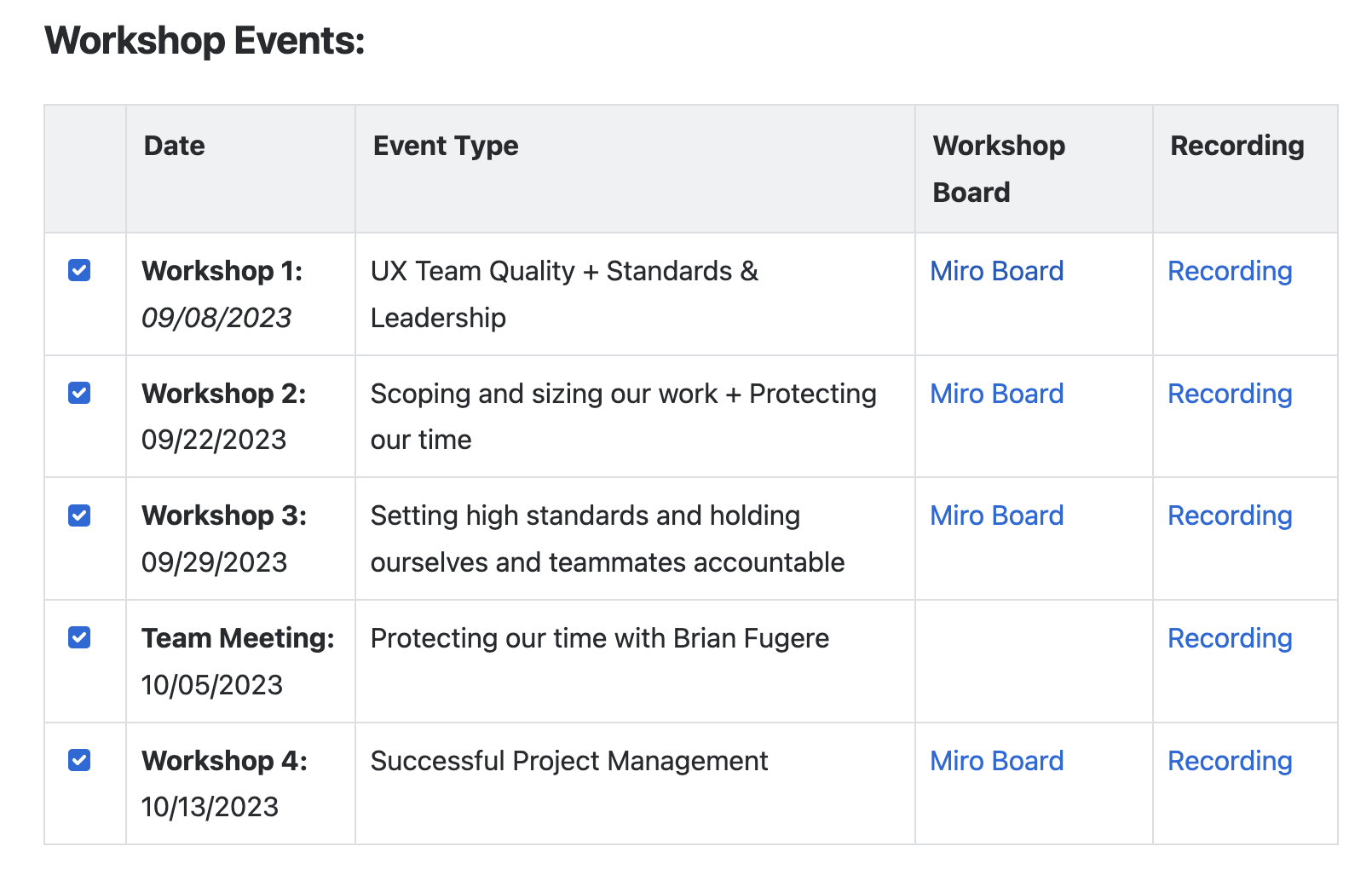
I introduced weekly design critiques, peer reviews across teams, and a team manifesto centered on trust and growth. These weren't just morale exercises, they were the mechanism that let designers strengthen weak areas, created visibility into work happening across products, surfaced overlapping patterns, and drove reuse of proven solutions instead of everyone solving the same problem separately.
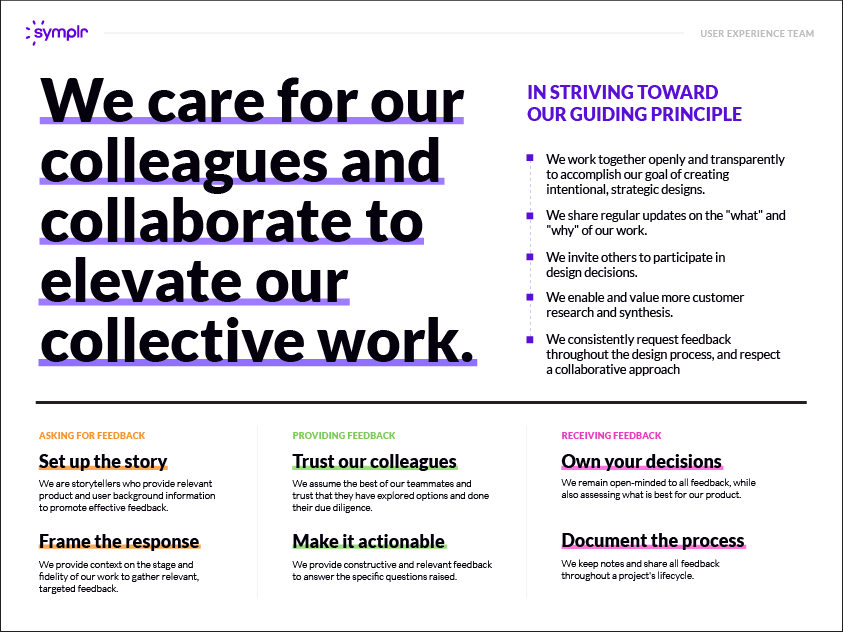
Manifesto
Critique
Set non-negotiable standards as guardrails.
I established baseline requirements across design system usage, accessibility, and engineering feasibility, the guardrails that let the team scale without scaling chaos.
Built visibility into UX's business value.
Through presentations, case studies, and cross-team engagement, I built the mechanism for shifting how the organization perceived UX, from a tactical execution function to a strategic partner in the business's outcomes.
Protected designer time as a system, not a favor.
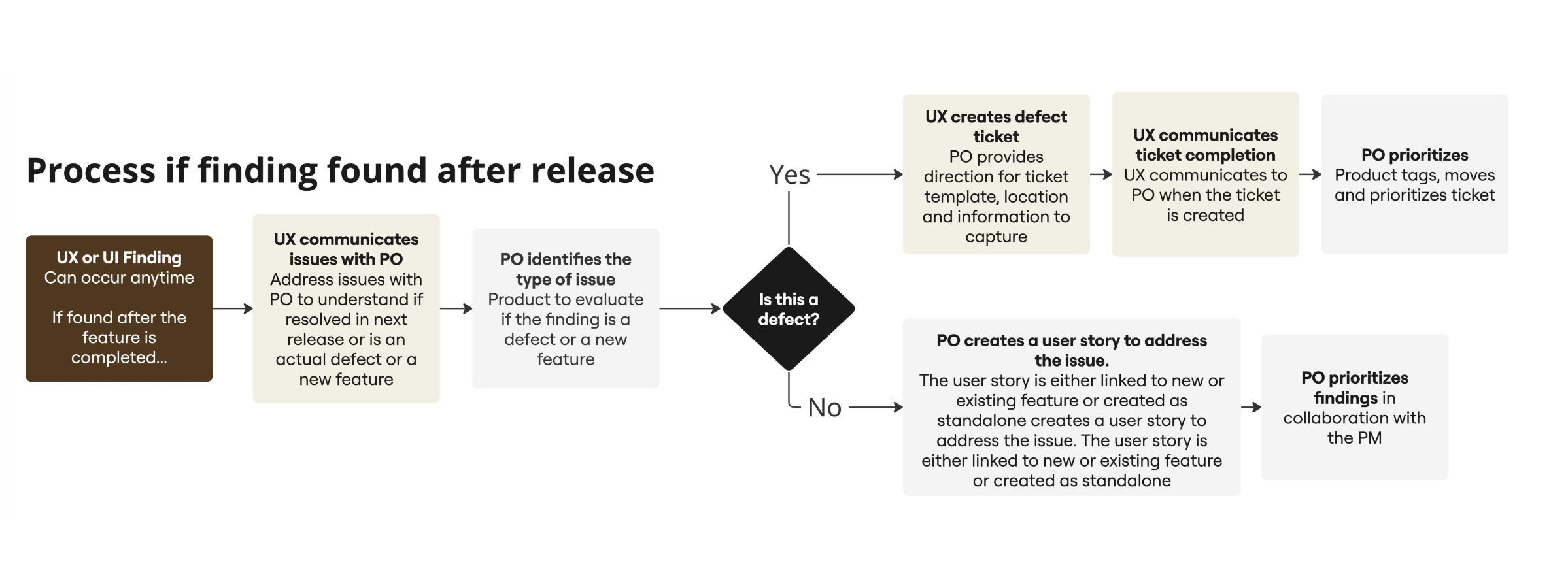
I introduced faster defect workflows to cut time lost to post-handoff issues, freeing the team to stay focused on the high-impact work that actually moved the business forward.
-
I balanced building this foundation with keeping delivery moving: assessed and aligned team skillsets to business direction, made the strategic calls on hiring, placement, and team composition, created clarity around priorities and expectations, and introduced the lightweight systems, critiques, peer reviews, resourcing models, that turned continuous learning and cross-product alignment into standard practice rather than something that happened by chance. That infrastructure let the team scale quality and velocity together, without scaling chaos alongside it.
-
Team transformation: Shifted from fragmented to highly integrated and collaborative. Established consistent workflows and shared standards. Built a real culture of feedback, growth, and accountability. Increased overall capability through targeted hiring and upskilling.
Organizational impact: UX became a strategic partner across the business. Designers were in high demand across teams. Cross-functional partners trusted and engaged with design more than before.
Product impact: More consistent, high-quality user experiences. Design work aligned directly to business goals. A stronger foundation for future product scalability.
-
A scalable UX organization built to support rapid growth. Designers operating as leaders, not just contributors. A team equipped to adapt to evolving business needs like accessibility and AI. A real shift in how the business saw UX, from execution function to core driver of business value.
-
Building the systems and foundations that let a team scale, not just hiring more people.
Leading organizational transformation under pressure. Making strategic decisions about team composition and capability.
Aligning design work directly to business impact.
Turning a design team into a force multiplier and a strategic partner that helps the business win.
"Our design team went from being a fragmented group to a highly integrated, well-oiled machine."
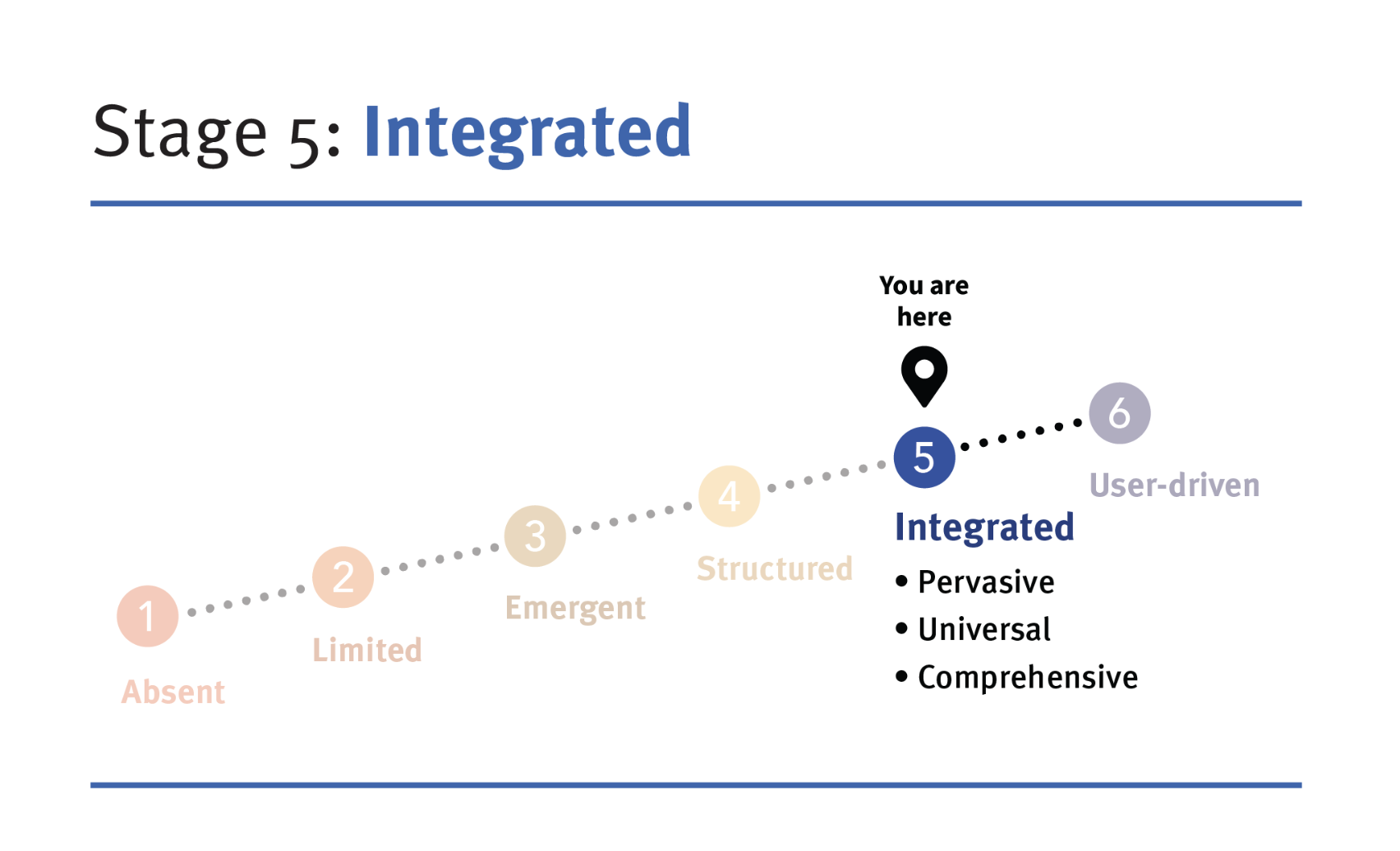
Designers not only felt more confident in their roles but were also able to protect their time, maintain focus, and elevate their work. The clarity around priorities and the increased training contributed to their overall growth, making them more strategic in their approach.